If your hot water has become inconsistent, your energy bills seem to be creeping up, or your current unit is showing its age, replacement is likely becoming part of the conversation. One of the biggest questions homeowners face is whether it makes more sense to replace a traditional tank water heater with another tank model or switch to a tankless water heater.
A solid water heater replacement guide should focus on practical decision-making, not hype. Both systems have advantages, but the better option depends on how your household uses hot water, the age of your home, available space, and what your plumbing infrastructure can realistically support. For LA homeowners, those details matter more than broad online recommendations.
When Is It Time to Replace Instead of Repair?
Not every water heater problem calls for replacement. A relatively newer unit with a minor issue may still be worth repairing. But once a system starts showing multiple signs of wear, replacement often becomes the smarter long-term decision.
Some of the most common warning signs include:
- Hot water is running out faster than usual
- Water is taking longer to heat
- Rust-colored water coming from fixtures
- Popping, banging, or rumbling sounds
- Visible leaks near the unit
- Higher utility bills without another explanation
- Frequent service calls
Traditional tank water heaters generally last between 8 and 12 years, though water quality and maintenance habits can affect that timeline. Tankless systems often last longer, but they are not immune to wear, either. If your system is becoming unreliable, it makes sense to look at replacement options before a complete failure leaves you without hot water.
Understanding Traditional Tank Water Heaters
Traditional tank water heaters are what most homeowners are familiar with. These systems store a set volume of hot water, usually somewhere between 40 and 75 gallons, depending on the household’s needs. When hot water is used, the system draws from that stored supply and begins reheating incoming water to replenish the tank.
One reason these systems remain common is simplicity. Replacing a tank water heater with another similar unit is often straightforward, especially if the home’s plumbing and utility setup are already configured for that type of installation. The upfront cost is usually lower as well, which makes tank systems attractive to homeowners looking to manage replacement costs.
That said, tank systems do have limitations. Once the stored hot water runs out, recovery time becomes a factor. These systems also continue to use energy to keep the water heated even when no one is actively using hot water, which can gradually reduce efficiency.
Pros of Traditional Tank Systems
Traditional systems remain popular for several practical reasons:
- Lower upfront purchase cost
- Simpler installation in many existing homes
- Familiar technology with straightforward servicing
- Reliable performance when properly sized
Potential Drawbacks
There are tradeoffs worth considering:
- Limited hot water supply
- Higher standby energy use
- Larger physical footprint
- Shorter average lifespan compared to tankless systems
Understanding Tankless Water Heaters
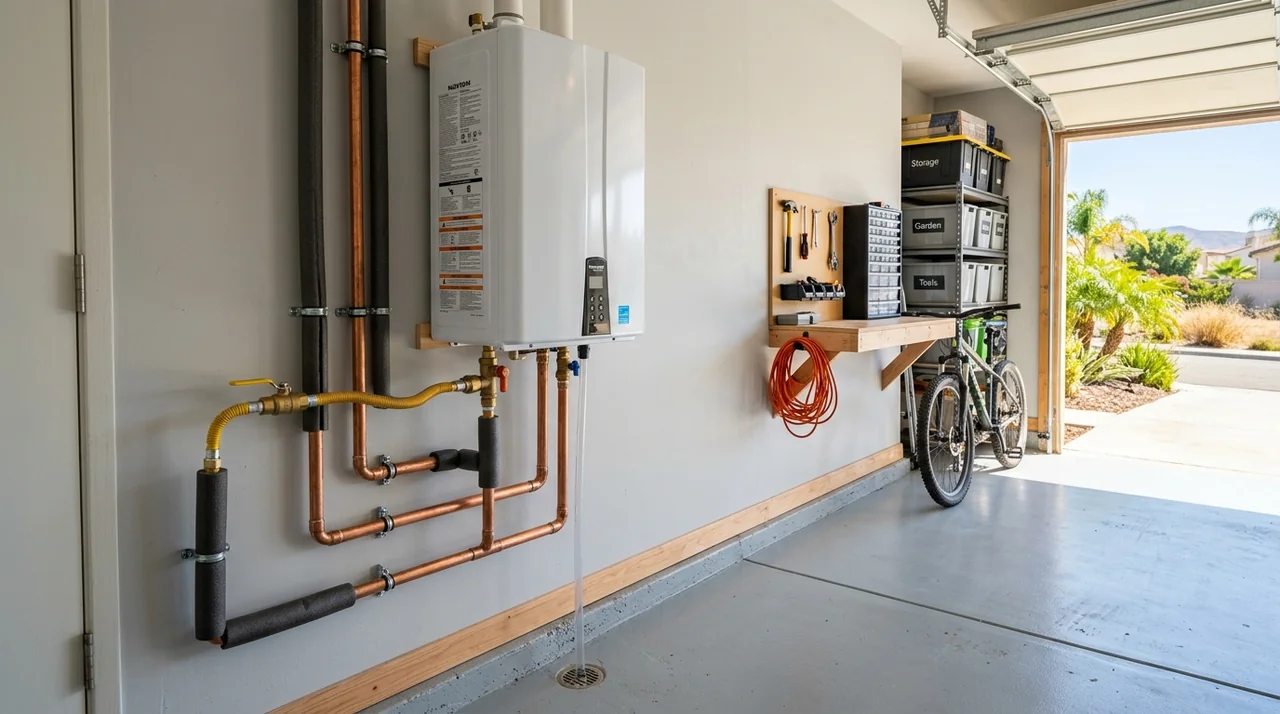
Tankless systems take a different approach. Instead of storing heated water, they heat water as it passes through the unit when a faucet, appliance, or shower calls for it. That on-demand design is one of the biggest reasons homeowners consider making the switch.
Because the system heats water only when needed, efficiency can improve compared to traditional tank models. Tankless units also take up far less space, which can be especially appealing in LA homes where storage or utility room space may already be limited.
However, the advantages depend heavily on proper installation and realistic expectations. A tankless system that is not correctly sized for the home can struggle during periods of high simultaneous demand.
Pros of Tankless Systems
Tankless systems offer several appealing benefits:
- Continuous hot water when properly sized
- Better energy efficiency in many households
- Compact wall-mounted design
- Longer average service life
Potential Drawbacks
There are practical limitations to consider:
- Higher upfront equipment cost
- More complex installation in some homes
- Potential infrastructure upgrade requirements
- Performance issues if improperly sized
What Makes Sense for LA Homes?
This is where a generic comparison becomes less useful and real-world conditions matter more.
A newer home with updated plumbing, sufficient gas capacity, and modern venting may be a strong candidate for tankless installation. An older LA property may present a very different picture. Some older homes require gas line upgrades, venting changes, electrical modifications, or plumbing adjustments before tankless installation becomes practical.
That is one reason water heater replacement Los Angeles decisions should be based on the property itself, not assumptions from a general internet comparison. Two homes on the same street can have very different infrastructure needs.
Space also matters. In tighter homes, condos, or properties with limited utility room space, tankless systems may offer a practical advantage due to their compact footprint.
Comparing Cost Beyond the Sticker Price
Homeowners often start with the upfront price, which is understandable. Traditional tank systems are generally less expensive to purchase and easier to install in many homes. If a homeowner needs a practical replacement without significant infrastructure work, a tank model often makes immediate financial sense.
Tankless systems usually involve a larger initial investment. The unit costs more, and installation complexity can increase depending on what upgrades are needed. However, lower operating costs and longer service life may shift the long-term value equation for some households.
The better question is not simply which system costs less today. Which option makes more financial sense over the equipment’s lifespan?
Household Usage Matters More Than Trends
One of the most common mistakes in water heater replacement is choosing a model based on trends rather than actual usage patterns.
A smaller household with staggered hot-water use may benefit significantly from tankless water heater performance and efficiency. A larger household with multiple simultaneous showers, dishwashing, and laundry cycles requires careful sizing, regardless of the system chosen.
Key questions worth considering include:
- How many people live in the home?
- Do multiple showers often run at once?
- Is laundry frequently done during peak hot water use?
- Is dishwasher use overlapping with showers?
- Are there high-demand fixtures like soaking tubs?
The answers to those questions often matter more than product marketing.
Common Replacement Mistakes to Avoid
A rushed replacement decision often creates unnecessary frustration. Homeowners who wait until total failure may end up making decisions based on urgency rather than practicality.
Other common mistakes include:
- Choosing solely based on purchase price
- Ignoring installation requirements
- Underestimating household hot water demand
- Oversizing or undersizing equipment
- Assuming newer technology is always the better option
Good replacement decisions come from matching the system to the home, not forcing the home to match the trend.
FAQs
Is tankless always better than a traditional tank?
No. Tankless systems offer real advantages, but they are not automatically the right fit for every household. Installation feasibility, household demand, and budget all play important roles.
How long does a water heater typically last?
Traditional tank water heaters generally last 8 to 12 years. Tankless systems often last 15 to 20 years with proper maintenance.
Are tankless systems cheaper to operate?
In many cases, yes, because they eliminate standby heat loss. Actual savings depend on usage habits and installation quality.
Can any LA home switch to a tankless system?
Not always without modifications. Older homes may require upgrades before installing a tankless water heater, making it a practical choice.
What is the biggest factor in choosing a replacement?
Proper sizing and compatibility with the home’s infrastructure are usually more important than brand trends or marketing claims.
Final Thoughts
A reliable water heater replacement guide should help homeowners make practical, informed decisions based on real household needs. Both tank and tankless systems can perform extremely well when properly selected and installed.
For LA homeowners, the most important factors are usually home infrastructure, household demand, available space, and long-term ownership plans. Choosing the right system is less about following trends and more about understanding what will work best in your specific home.