If you are wondering how to prevent clogged drains, the answer comes down to consistent habits and understanding what actually causes blockages in the first place. Most clogged drains are not sudden plumbing failures. They are the result of a buildup that occurs gradually through normal daily use.
In LA, this is especially relevant. Many homes have aging plumbing systems, and even newer homes are not immune to drain issues caused by grease, soap residue, hair, food waste, or hard water mineral buildup. The good news is that preventing most clogs is far easier than dealing with a backed-up sink or shower.
Why Drains Clog in the First Place
A drain is designed to carry wastewater away efficiently, but that system only works when the inside of the pipe remains relatively clear.
Problems start when materials begin to stick to the pipe walls.
In kitchen drains, grease is one of the most common causes of clogs. It may go down the drain as a liquid, but once it cools, it begins to solidify along the inside of the pipe. Over time, that sticky layer catches food particles and debris.
In bathroom drains, the problem is usually different. Hair binds with soap residue and toothpaste buildup, creating slow-forming blockages that restrict water flow.
Older plumbing systems may also deal with:
- Mineral scale from hard water
- Corrosion inside older pipes
- Pipe bellies where water sits instead of draining properly
- Tree root intrusion in sewer lines
Effective clogged drain prevention starts with understanding these causes.
Kitchen Habits That Prevent Drain Problems
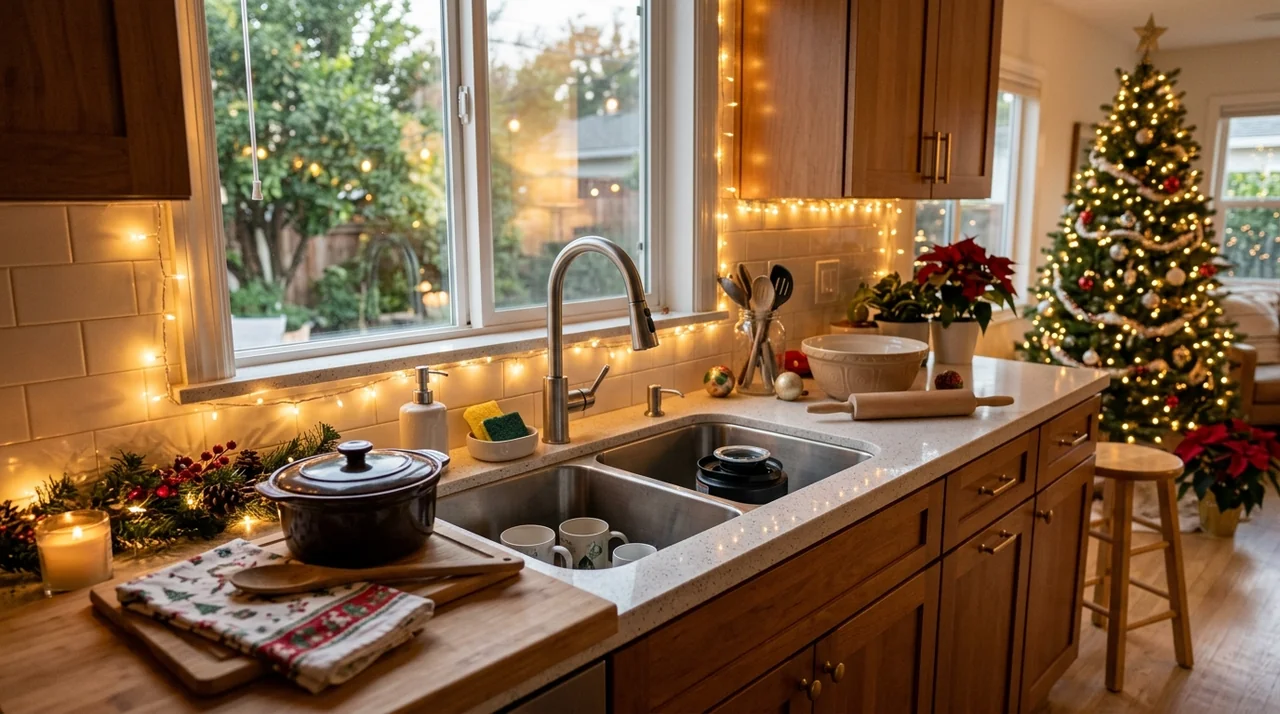
The kitchen sink handles more abuse than almost any other drain in the home.
Many clogs start with small habits that homeowners barely notice.
Keep Grease Out of the Drain
This is one of the most important plumbing rules.
Never pour:
- Bacon grease
- Cooking oil
- Butter residue
- Fat drippings
- Sauce with oil content
Even if you run hot water afterward, grease still cools farther down the line.
A better habit is letting grease cool in a disposable container before throwing it away.
Be Careful With Food Waste
Garbage disposals help, but they are not designed to handle everything.
Common troublemakers include:
- Coffee grounds
- Rice
- Pasta
- Eggshells
- Flour
- Fibrous vegetables like celery
- Potato peels
These materials either swell, clump, or catch inside drain lines.
Flush the Sink With Hot Water
Running hot water after dishwashing helps move light residue through the system before it settles.
This is not a fix for existing buildup, but it supports better maintenance.
Bathroom Drain Prevention That Actually Works
Bathroom drains clog differently from kitchen drains, but prevention is usually straightforward.
Install a Hair Catcher
Hair is one of the biggest contributors to shower drain clogs.
A simple drain screen keeps it from entering the plumbing in the first place.
This small step prevents many avoidable service calls.
Clean Drain Covers Regularly
Even with a drain catcher, buildup happens.
Soap residue, hair, and debris collect quickly.
Cleaning the drain cover once a week helps prevent gradual restriction.
Be Mindful of What Gets Flushed
Toilets are designed for wastewater and toilet paper.
That is all.
Avoid flushing:
- Wipes
- Cotton swabs
- Feminine hygiene products
- Paper towels
- Dental floss
Even products marketed as flushable often create plumbing problems.
Warning Signs a Clog Is Developing
Drain problems usually give warning signs before becoming serious.
Knowing what to watch for helps homeowners act early.
Slow Drainage
If water takes longer than usual to drain, buildup is already restricting flow.
This is often the earliest sign.
Gurgling Sounds
Air trapped behind partial blockages can create bubbling or gurgling noises.
Unpleasant Odors
Rotting food debris, bacteria, or stagnant water in drain lines can cause noticeable odors.
Water Backups
Once water starts backing up into sinks, tubs, or showers, the blockage has likely become significant.
Natural Drain Maintenance Tips
Many homeowners immediately reach for chemical drain cleaners.
That is rarely the best long-term solution.
Some chemical products generate heat that can be harsh on older plumbing systems, especially with repeated use.
Safer maintenance habits include:
Hot Water Rinses
Weekly hot water flushing helps reduce light residue.
Baking Soda and Vinegar
For light maintenance:
- Pour baking soda into the drain
- Add vinegar
- Let it sit for 15 to 30 minutes
- Flush with hot water
This may help with minor buildup, though it will not solve severe blockages.
Why Older LA Homes May Have More Drain Issues
LA has many beautiful older homes, but aging plumbing infrastructure often creates added challenges.
Older systems may contain:
- Narrower pipe diameters
- Interior corrosion
- Mineral buildup
- Improper slope from settling
- Sewer line root intrusion
When clogs happen repeatedly despite good household habits, the issue may be structural rather than behavioral.
That distinction matters.
A recurring kitchen clog is not always about what went down the drain last week. It may be the condition of the plumbing system itself.
When DIY Maintenance Is Not Enough
Preventive maintenance works well for routine care, but certain symptoms may indicate a larger plumbing issue.
Watch for:
- Multiple drains are clogging at once
- Toilets bubbling unexpectedly
- Water is backing up into another fixture
- Recurring clogs in the same location
- Sewage odors
- Slow drainage throughout the home
These symptoms may indicate a deeper blockage or sewer line issue rather than a simple localized clog.
FAQs
What is the most common cause of clogged drains?
Kitchen drains commonly clog from grease and food buildup. Bathroom drains are more often affected by hair, soap residue, and hygiene-related debris.
Does hot water prevent drain clogs?
Hot water helps reduce light residue buildup, particularly in kitchen drains, but it will not clear established blockages.
Are chemical drain cleaners bad for pipes?
Repeated use can be hard on some plumbing systems, especially older pipes. They may also fail to address deeper mechanical blockages.
Why do my drains keep clogging even when I am careful?
Recurring clogs may indicate underlying plumbing issues, such as pipe damage, improper slope, mineral buildup, or sewer line problems.
How often should drains be maintained?
Good drain habits should be practiced daily through normal use, while preventive cleaning can be done periodically, depending on household usage.
Final Thoughts
Preventing drain clogs is less about reacting to emergencies and more about understanding how plumbing systems respond to daily habits.
Small choices matter. What gets rinsed down the sink, what gets flushed, and how consistently drains are maintained all affect long-term plumbing performance.
For LA homeowners, especially those in older properties, paying attention to these details can help avoid unnecessary plumbing disruptions and expensive repairs.