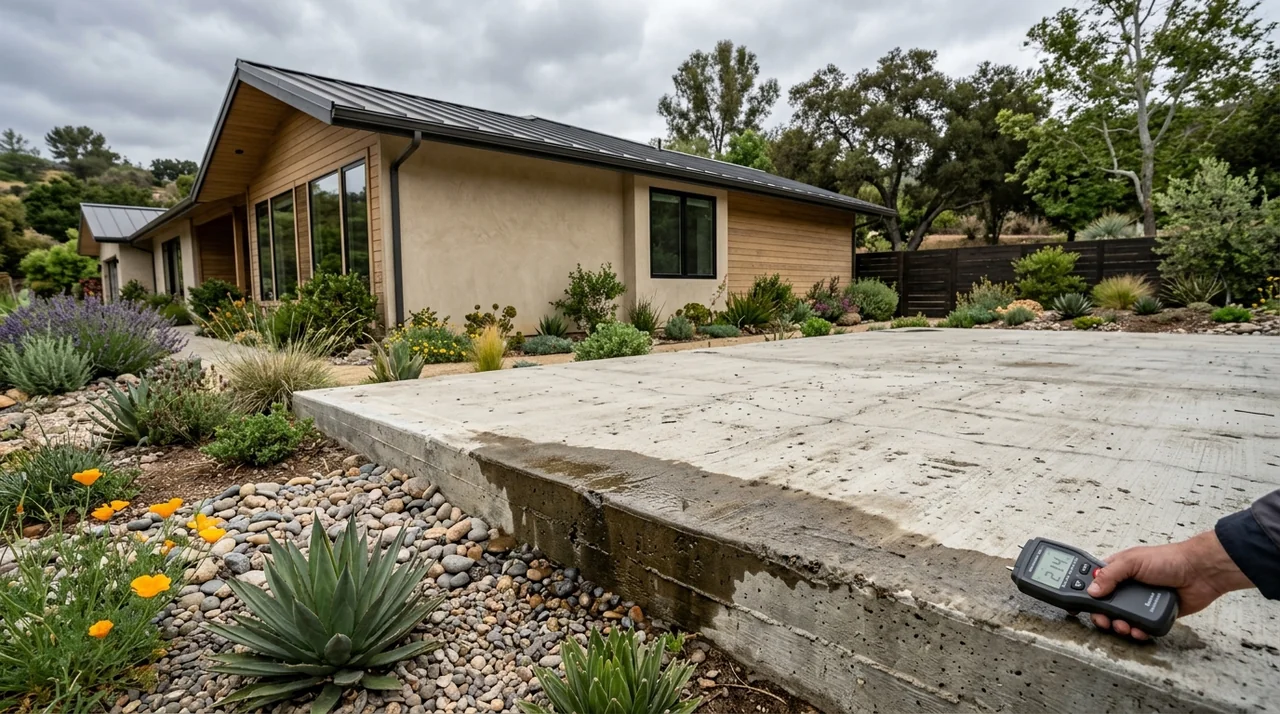
A slab leak is a plumbing failure that occurs when the pressurized water lines running beneath a home’s concrete foundation develop cracks, pinhole leaks, or bursts. Often caused by pipe corrosion, shifting soil, or high water pressure, these leaks allow water to escape under the floor, potentially leading to structural damage and mold growth. Identifying the problem early through signs like unexplained water bill spikes or damp flooring is the most effective way to protect a property’s integrity and avoid expensive restoration costs.
What is a Slab Leak?
Imagine your home sitting atop a solid concrete slab, a sturdy foundation designed to keep everything level and dry. However, when the copper or PEX water pipes embedded within or under that foundation start leaking, it is classified as a slab leak. While these leaks may seem minor initially, they can lead to extensive damage over time. Water seeping through the concrete can erode the soil underneath, causing the foundation to “heave” or crack, which eventually affects the walls and roof of the entire structure.
Common Causes of Slab Leaks
Slab leaks are typically triggered by a combination of environmental and mechanical factors. Corrosion is a leading cause, often occurring when the metal pipes react with certain minerals in the soil or when hot and cold lines rub against each other and the concrete due to thermal expansion.
External factors like ground shifting or settling also play a major role. In areas with expansive clay soils, the ground expands and contracts with moisture changes, putting immense pressure on the plumbing. Additionally, high water pressure within the home can cause pipes to vibrate and eventually wear thin against the abrasive concrete, leading to a breakthrough.
Signs of a Slab Leak
It is vital to recognize the early warning signs before the water causes a foundation shift. Common indicators include:
-
Unexplained spikes in the water bill without a change in usage.
-
Damp, cold, or unusually warm spots on the flooring.
-
A drop in water pressure when using multiple fixtures.
-
The sound of running water when all taps and appliances are turned off.
-
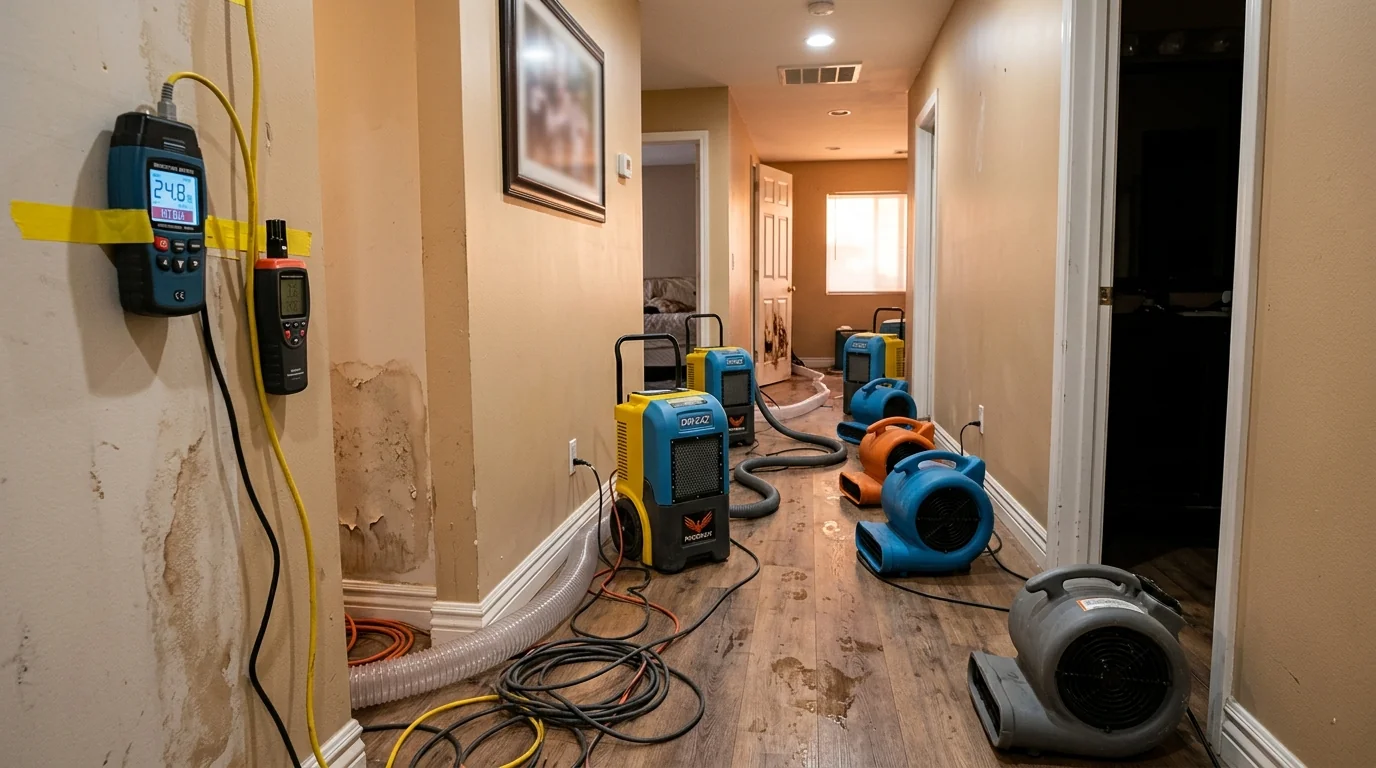
Cracks in the baseboards or sudden mold growth in unexpected areas.
How to Confirm a Slab Leak
If you suspect a leak, confirming it requires specialized technology rather than guesswork. Professional plumbers in Hollywood use electronic leak detection equipment, such as acoustic sensors, to “listen” for the sound of escaping water through the concrete. Thermal imaging cameras are also used to detect temperature variances in the floor, which can pinpoint exactly where a hot water line has failed. These non-invasive methods ensure that the repair team only disturbs the specific area needed, protecting the rest of your flooring.
5 Key Benefits of Professional Repair Services
Hiring a professional ensures the problem is fixed efficiently using a systematic approach:
-
Accurate Diagnosis: Specialists use electronic sensors to find the leak, preventing the need to tear up large sections of your floor just to find the source.
-
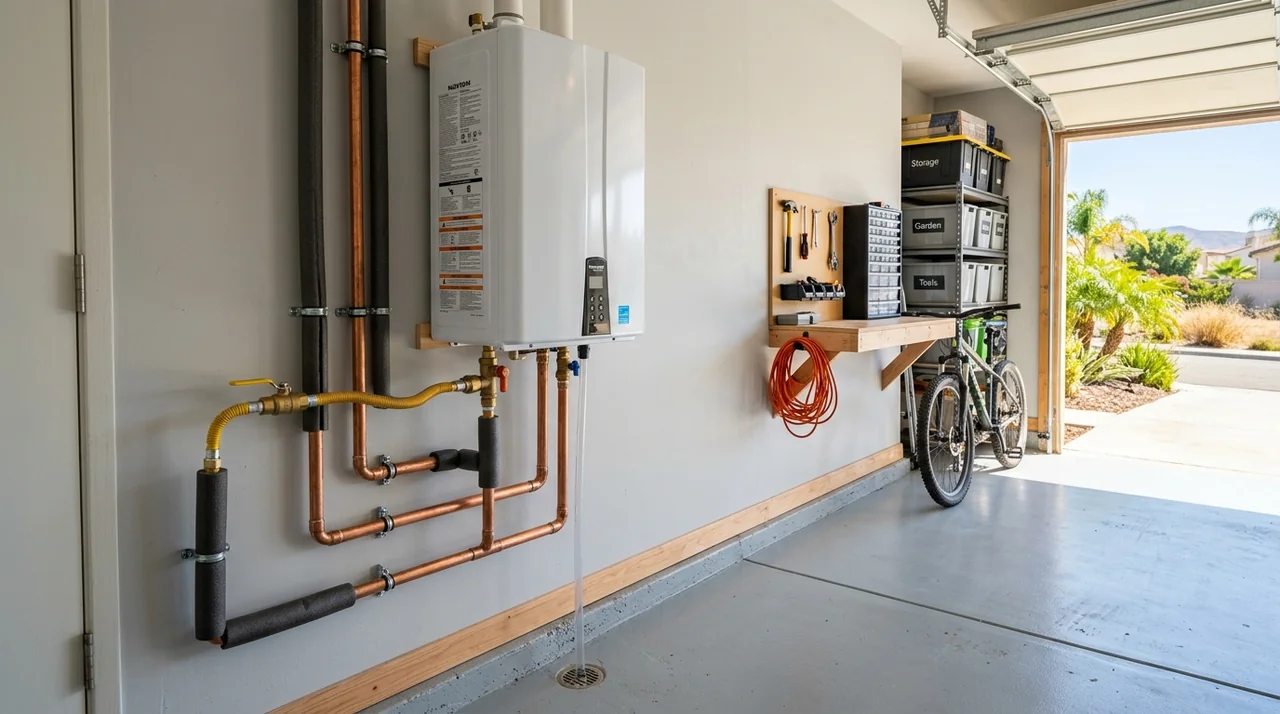
Advanced Repair Methods: Professionals can offer solutions like pipe rerouting, which moves the water line above ground to prevent future leaks in the same area.
-
Structural Preservation: By stopping the leak quickly, you prevent the soil erosion that leads to foundation cracks and “slab heave.”
-
Health Protection: Professional repairs include checking for moisture that could lead to mold and mildew growth under your carpets or floorboards.
-
Long-Term Warranty: Expert services come with guarantees on parts and labor, providing peace of mind that the plumbing system is sound.
Real-Life Example: The Hidden Hot Spot
Last month, we assisted a homeowner who noticed a single warm tile in their hallway. They initially thought it was just heat from a nearby vent, but after their water bill increased by 30%, they called for an inspection. Using thermal imaging, we pinpointed a leak in the hot water line directly under that specific tile. Because we caught it early, we performed a targeted spot repair through a small opening, saving them from a full foundation excavation and preventing damage to the surrounding hardwood.
Steps in Slab Leak Repair
Once a slab leak is confirmed, repairing it involves several steps. These may include shutting off the water supply, locating the leak, and deciding on the best repair method. Common repair methods include spot repair, pipe rerouting, and repiping.
In most cases, the first step involves shutting off the water supply to prevent further damage. Next, the specific location of the leak is pinpointed using non-invasive techniques. Depending on the extent of the damage, emergency plumber in Hollywood might decide on spot repair, which involves opening up the slab to fix the damaged section of the pipe directly.
Alternatively, if the pipe damage is extensive, pipe rerouting might be necessary. This process involves installing new pipes that bypass the damaged area, reducing the risk of future leaks in the same spot. In some cases, repiping the entire plumbing system is recommended, especially if the existing pipes are old and prone to multiple leaks.
After the repair, plumber Hollywood, CA usually conduct several tests to ensure that no other leaks are present and that the repaired or new pipes are functioning correctly. This comprehensive approach ensures that the slab leak issue is fully resolved, protecting your home from future water damage.
Choosing a Professional for Slab Leak Repair
Selecting the right professional for slab leak repair is crucial. It’s recommended to look for a company that specializes in this type of repair, such as Bryco Plumbing. Choosing a service with a strong reputation ensures that your home is in good hands. Check for customer testimonials and ask for references to verify their expertise and quality of work.
Responsive and reliable service is critical when dealing with slab leaks. A competent professional will provide quick response times, clear estimates, and a detailed plan of action. Don’t forget to inquire about the tools and techniques they use. Modern methods like non-invasive leak detection can reduce repair costs and disruption to your home.
Preventing Future Slab Leaks
Preventive maintenance is the best defense against foundation leaks. This includes installing a water pressure regulator to ensure the lines aren’t stressed by “water hammer” or excessive force. Additionally, maintaining consistent moisture levels in the soil around your home’s perimeter can prevent the dramatic soil shifts that cause pipes to snap. Regular plumbing inspections are recommended to catch high-pressure issues before they turn into a burst pipe under your home.
Protecting Your Home Investment
Addressing a slab leak early can save you thousands of dollars in structural restoration and flooring replacement. With professional detection and repair, what seems like a daunting foundation issue can be resolved with minimal disruption to your daily life.
Ready for a free quote? Contact us today to protect your home and foundation!
Frequently Asked Questions:
1. What is a slab leak?
A slab leak happens when water pipes under a home’s concrete foundation crack or break, causing water to leak beneath the slab.
2. What causes slab leaks?
Common causes include pipe corrosion, shifting soil, high water pressure, aging pipes, or poor pipe installation.
3. What are the signs of a slab leak?
Signs include high water bills, damp or warm floor spots, low water pressure, or hearing running water when fixtures are off.
4. How do plumbers detect slab leaks?
Professionals use tools like electronic leak detectors, acoustic sensors, and thermal imaging to locate leaks accurately.
5. How can slab leaks be repaired or prevented?
Repairs may involve spot repair, pipe rerouting, or repiping. Regular inspections and proper water pressure help prevent future leaks.
Other Related Blogs:
10 Common Plumbing Issues in Woodland Hills Homes and How to Fix Them
Common Plumbing Problems and How a Pasadena Plumber Can Fix Them