
Preventing Slab Leaks Before the Rainy Season in Woodland Hills, 2026
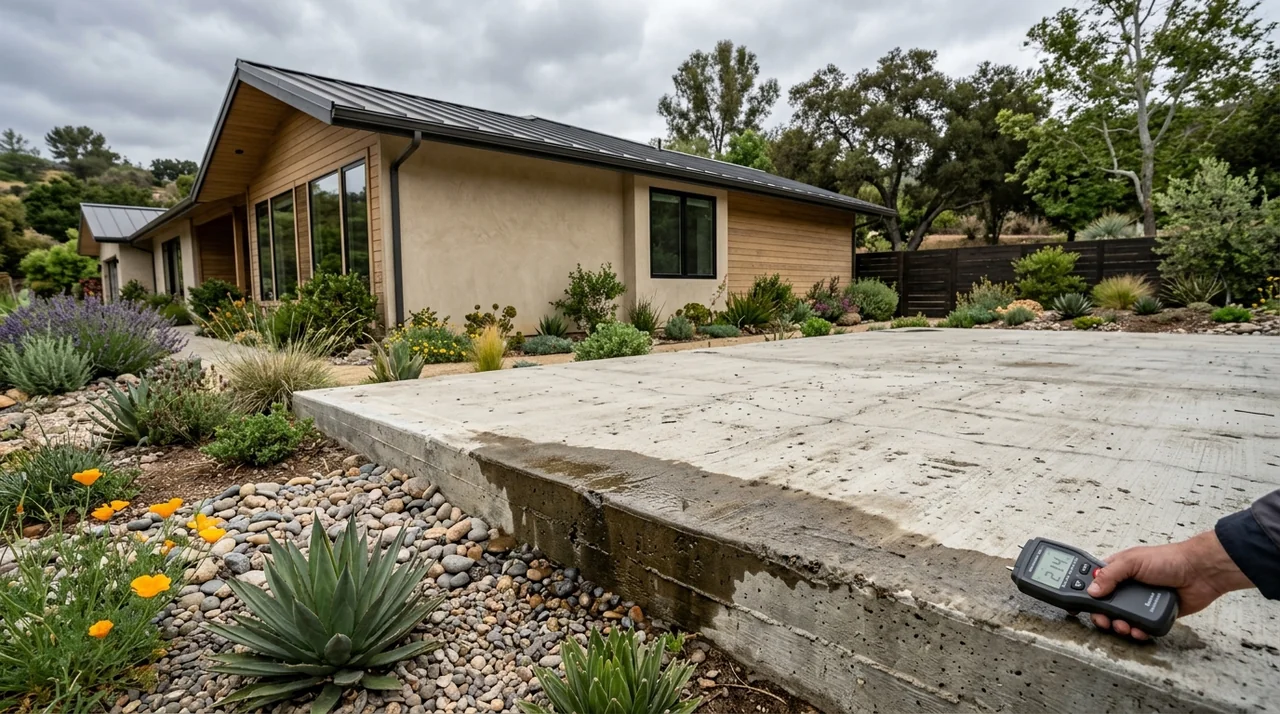
Slab leak prevention woodland hills, a working view.
A slab leak is one of the few plumbing problems that can run for weeks before a homeowner in Woodland Hills notices anything is wrong. Water escapes from a pipe beneath the concrete foundation, and by the time it shows on the surface the damage is often well along and far more expensive to repair. With the rainy season approaching Southern California, shifting soil and added ground moisture make existing weak points far more likely to give way. At Bryco Plumbing, we locate and repair slab leaks across Woodland Hills, Los Angeles, San Fernando Valley, Ventura County, Van Nuys, and catching them early saves both money and your foundation. This guide explains what causes slab leaks, the warning signs that matter, and how to stay ahead of them before the first heavy storms arrive. See details on our Water Damage Restoration page. See details on our Financing page.
In this article
What Causes a Slab Leak
Slab leaks happen when the pipes running under or through the concrete foundation crack, corrode, or rub against the slab over time until they fail. Older copper lines are especially prone as they age and react with the surrounding concrete and soil. Poor initial installation plays a role too, since a pipe left pressing against a rough edge of concrete will wear a hole in itself after years of the small vibrations that normal water flow creates. Related: Ventura County Ca.
Soil movement is a major factor across Los Angeles and San Fernando Valley. As the ground expands with rain and contracts again during dry spells, it tugs steadily on the pipes buried within it. Each cycle adds a little more stress, and a line already weakened by age or corrosion can finally fail when the wet season loads the soil again. This is why so many slab leaks announce themselves right as the weather turns, after months of dry ground suddenly taking on water. Also see Recent Jobs.
Early Warning Signs to Watch
A sudden jump in your water bill with no change in your household habits is a classic clue that water is escaping somewhere you cannot see. So is the sound of running or trickling water when every fixture in the house is turned off. A warm spot on the floor is another telltale sign, since it usually means a leaking hot-water line is heating the slab above it. Any one of these deserves prompt attention rather than a wait-and-see approach. Related: Plumber Simi Valley Ca.
Key points to remember
Cracks appearing in floors or walls, carpet that stays damp, or a persistent musty smell can all point to water moving under the slab in a Ventura County home. None of these signs should be brushed aside as cosmetic, because a slab leak will not heal on its own and only grows more expensive the longer it runs. The water has to go somewhere, and left alone it works its way into flooring, framing, and eventually the foundation itself. Also see Valencia Ca.
CATCH IT EARLY
A rising water bill is a clue, not a mystery
If your water bill climbs with no change in use, a hidden slab leak is a likely cause. Bryco Plumbing locates leaks precisely across Woodland Hills, so the repair stays small instead of turning into foundation damage that costs many times more.
Why the Rainy Season Raises the Risk
When rain saturates the ground, the soil beneath a foundation swells and shifts as it absorbs the moisture. That movement puts fresh pressure on pipes that were already under strain from age and earlier soil cycles, which is exactly why many slab leaks reveal themselves at the start of a wet stretch rather than during the dry summer. The pipe does not know the calendar, but it does feel the ground moving around it. Related: Pasadena Ca.
Homes in Van Nuys built decades ago often have original plumbing that has quietly aged beneath the slab, out of sight and out of mind. Getting ahead of the season with an inspection means a small weakness can be found and addressed before the first heavy storms turn it into a steady flood under your floor. A short visit on a dry day is far cheaper and far less disruptive than an emergency once water is already spreading. Also see Encino Ca.
How We Locate a Slab Leak
Modern detection does not mean tearing up a floor and guessing where to dig. We use acoustic listening equipment that can hear water escaping a pressurized pipe, along with pressure testing that confirms a leak exists and helps isolate which line is affected. These tools let us pinpoint the leak within the slab to a small area, which keeps the eventual repair targeted and far less invasive than the old break-everything approach.
Key points to remember
Accurate location is everything with a slab leak. For customers across Woodland Hills, Los Angeles, San Fernando Valley, Ventura County, Van Nuys, finding the exact spot means we open only what we truly must, make the repair, and restore the area, rather than disturbing an entire room chasing the source by trial and error. The time we spend locating the leak precisely pays for itself many times over in the concrete, flooring, and finishes we do not have to tear out and rebuild.
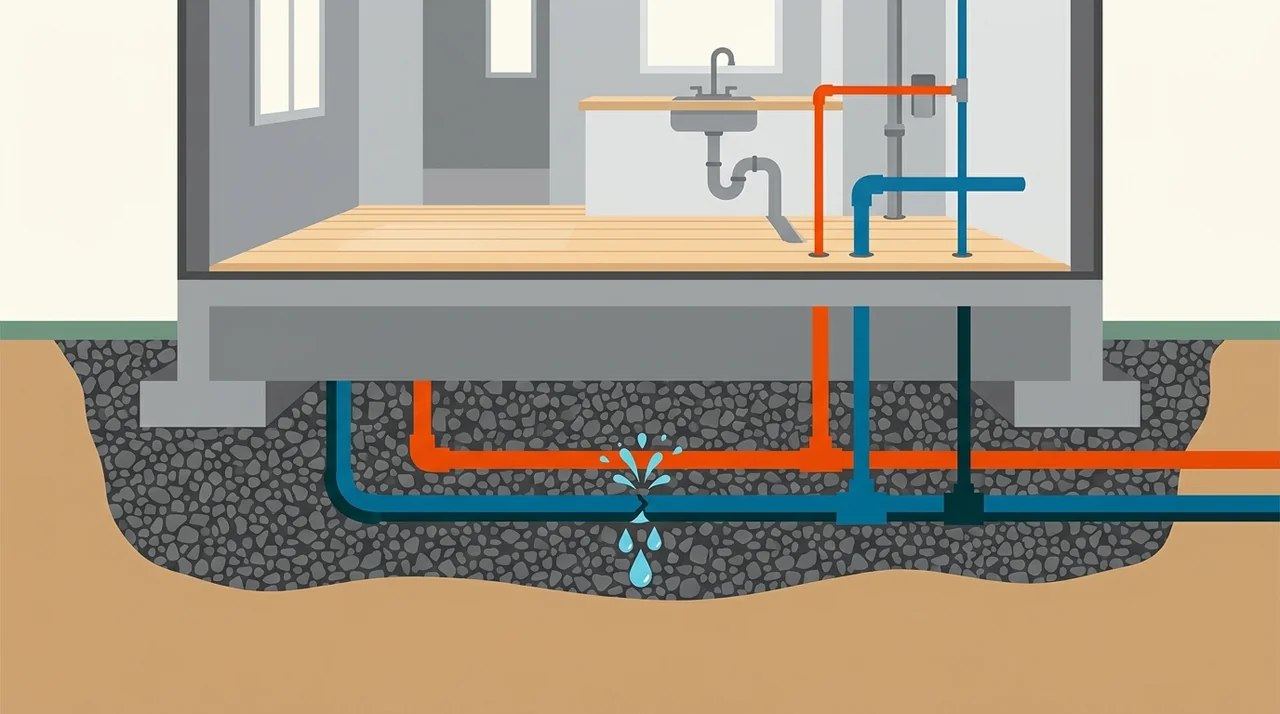
Field detail from a recent project.
Slab Leak Signs and What They Mean
| Sign | What It Suggests | Urgency | Next Step |
|---|---|---|---|
| High water bill | Hidden continuous leak | High | Schedule detection |
| Warm floor spot | Hot-water line leak | High | Call promptly |
| Running water sound | Active leak | High | Shut off and call |
| Floor or wall cracks | Foundation moisture | Medium | Inspect soon |
| Musty smell | Trapped moisture | Medium | Investigate the source |
Repair Options Once It Is Found
Depending on the pipe and its overall condition, we may repair the single failed section, reroute the affected line to bypass the damaged run entirely, or recommend repiping if the whole system is reaching the end of its life. The right choice depends on the age, material, and layout of your plumbing, and on whether this is the first failure or the latest in a pattern of them.
We explain each option with clear pricing so a homeowner in Woodland Hills can weigh a quick spot repair against a longer-term solution that prevents the next call. Sometimes a targeted repair is exactly right and there is no reason to do more. Other times, rerouting a troublesome line or repiping an aging system spares you repeat trouble and repeat expense from the same tired pipes failing one after another.
Preventing the Next One
You cannot stop the soil from moving with the seasons, but you can keep your water pressure in a safe range, address small leaks the moment you notice them, and have aging pipes inspected before they fail outright. High pressure stresses every joint and pipe in the home, so a simple pressure check and regulator can quietly extend the life of your whole system and lower the odds of a surprise under the slab.
Key points to remember
For older homes across Los Angeles and San Fernando Valley, a periodic plumbing inspection is the simplest insurance you can buy. Our team is glad to assess your system before the rains arrive, check pressure, and flag anything showing early signs of trouble. Heading into the wet season knowing exactly where your plumbing stands is a far better position than waiting for the floor to tell you something is wrong.
Stop a Slab Leak Before the Rains Hit Woodland Hills
Book precise leak detection and expert repair before the wet season spreads the damage further.
Frequently asked questions
How do I know if I have a slab leak?
Common signs include an unexplained high water bill, the sound of running water when fixtures are off, a warm spot on the floor, or new cracks and damp areas. Professional detection confirms it and pinpoints the location.
Can a slab leak damage my foundation?
Yes. Water escaping under the slab erodes the supporting soil and can shift or crack the foundation over time. Catching and repairing the leak early is what prevents the most costly structural damage.
Do you have to break the floor to find the leak?
No. We use acoustic listening and pressure testing to pinpoint the leak location first, so any opening is small and targeted rather than tearing up a whole room in search of the source.
Is it better to repair or reroute a slab leak?
It depends on the pipe’s age and condition. A single sound pipe may only need a spot repair, while a failing system is often better rerouted or repiped. We explain both options with clear pricing.
Why are slab leaks more common in the rainy season?
Rain saturates and moves the soil under your foundation, adding fresh stress to already aging pipes. That extra pressure often causes a weakened line to finally give way just as the wet weather arrives.
Related reading from Bryco Plumbing
Written by the team at Bryco Plumbing. Serving Woodland Hills, CA; Los Angeles, CA; San Fernando Valley, CA; Ventura County, CA; Van Nuys, CA; Encino, CA; Burbank, CA; North Hollywood, CA; Sherman Oaks, CA; Beverly Hills, CA; Calabasas, CA; Canoga Park, CA; Valencia, CA; Granada Hills, CA; Northridge, CA; Mission Hills, CA; West Hills, CA; Hollywood, CA; Agoura Hills, CA; Pasadena, CA; Camarillo, CA; Studio City, CA.
Questions? Call (833) 765-2245 or visit bryco-plumbing.com.