Hard Water Damage in San Fernando Valley Homes: Signs and Fixes
Water across the San Fernando Valley carries a heavy load of dissolved minerals, and that hard water quietly works against your home every single day. In Woodland Hills and Los Angeles, homeowners see the results as chalky spots on glassware, crusty buildup on faucets, and water heaters that wear out years before they should. The damage happens slowly, so it rarely gets any attention until a fixture finally fails or an energy bill climbs. This guide explains what hard water actually does, how to spot the signs early, and which treatment options genuinely protect the plumbing and appliances in a San Fernando Valley home, so you can decide with confidence whether a water softener is worth the investment for your household. See details on our Water Damage Restoration page. See details on our Financing page.
What Makes Valley Water Hard
Hard water is simply water with a high level of dissolved calcium and magnesium that it picks up as it moves through rock and soil on its way to your tap. Across Woodland Hills, those minerals are present in high enough concentrations to leave a visible residue on nearly every surface the water touches, from shower doors to the inside of your kettle. Related: Ventura County Ca.
The minerals themselves are not a health danger, but they are steadily hard on your plumbing system. As water heats up or sits still, the dissolved minerals drop out of solution and form scale, a hard, chalky crust that builds up inside pipes, water heaters, and fixtures throughout Ventura County homes over the years, narrowing pipes and coating heating elements as it goes. Also see Recent Jobs.
The Signs You Already Have
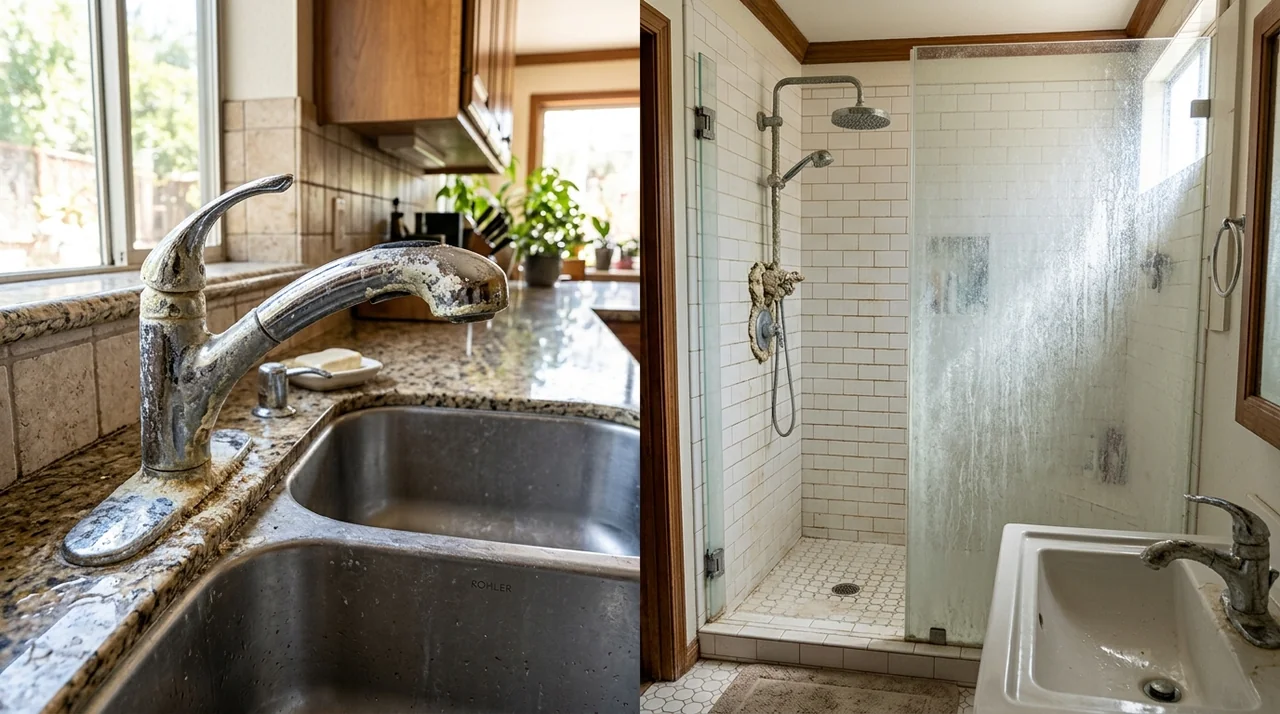
The most common clue is spotting, that white film on glasses, faucets, and shower doors that returns no matter how often you wipe it away. Soap and shampoo that will not lather properly, stiff scratchy laundry, and dull-looking dishes are three more everyday signs that hard water is at work in Los Angeles homes, even if you have gotten so used to them you barely notice. Related: Plumber Simi Valley Ca.
Key points to remember
Reduced water pressure can also point to scale slowly narrowing the inside of your pipes. If the fixtures in your Van Nuys home deliver noticeably less flow than they used to, and cleaning the aerators does not bring it back, mineral buildup inside the lines is a likely cause that is worth having a plumber investigate before it gets worse and starts affecting appliances. Also see Valencia Ca.
Scale makes your water heater work harder
A layer of mineral scale at the bottom of a tank forces the burner or element to fight through it, raising your bills and shortening the heater’s life. Treating hard water protects that investment in your Woodland Hills home.
How Hard Water Shortens Appliance Life
Water heaters take the worst of the damage from hard water. Scale settles at the bottom of a tank and coats the heating element, which insulates it, forces the unit to work harder to heat the same water, and drives up energy use while shortening the heater’s life in San Fernando Valley homes, sometimes by years compared to a home with treated water. Related: Pasadena Ca.
Dishwashers, washing machines, coffee makers, and even ice makers all suffer the same slow fate as scale coats their internal parts and clogs their small passages. Replacing these appliances early adds up fast across a household, which is exactly why many Encino homeowners find that a water treatment system pays for itself over time through longer-lasting equipment and lower bills. Also see Encino Ca.
Water Softeners and How They Work
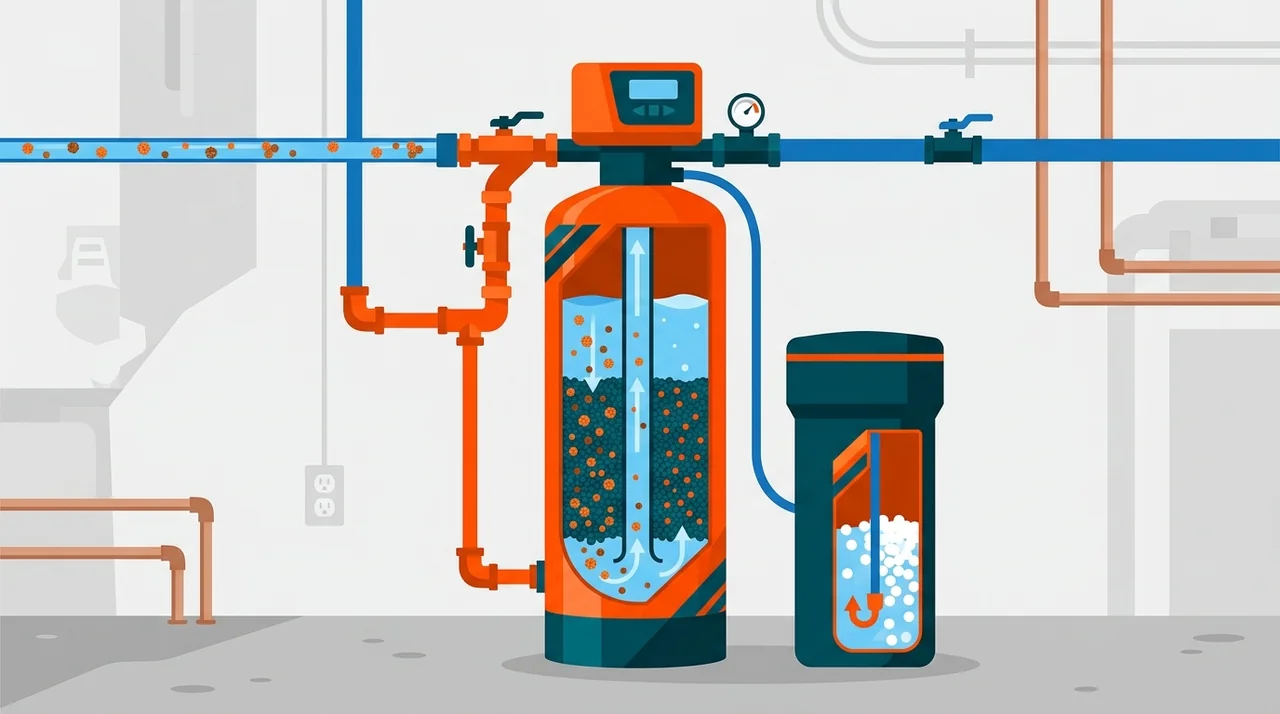
A traditional water softener uses a bed of resin beads to swap the hardness minerals in your water for a small amount of sodium, delivering genuinely soft water to every tap in the house. It is the most proven way to stop scale at the source and protect every fixture, appliance, and length of pipe in a Burbank home from the ground up.
Key points to remember
Softeners regenerate on a schedule and use a modest amount of salt to recharge the resin. Modern units meter your actual water use and regenerate only when they need to, which keeps both salt and water use efficient rather than wasteful. Sizing the unit correctly to your household is the key to good performance, which is exactly where a professional assessment helps homeowners in North Hollywood.
Hard Water Treatment Options
| Option | Removes Minerals | Maintenance | Best For |
|---|---|---|---|
| Salt-based softener | Yes | Refill salt | Full scale prevention |
| Salt-free conditioner | No, alters them | Low | Low-upkeep homes |
| Reverse osmosis (point of use) | Yes, at one tap | Filter changes | Drinking water |
| Whole-house filter | Some contaminants | Filter changes | Sediment and taste |
Salt-Free and Alternative Options
Salt-free conditioners do not remove the minerals from your water but instead alter them so they are far less likely to stick to surfaces and form scale. They require no salt and very little maintenance, which appeals to homeowners who want lower upkeep and no salt to carry and refill in Sherman Oaks, though they work differently than a true softener.
These systems perform differently than a true softener and suit some homes far better than others, depending on the water and how it is used. For Bryco Plumbing customers, we test the water first and then explain honestly where a conditioner is a good fit and where a full salt-based softener is the better long-term investment for a Beverly Hills home, so you spend your money where it does the most good.
Getting Your Water Tested
The right treatment always starts with knowing exactly how hard your water is and what else it happens to carry along with those minerals. A simple test measures the hardness level and any other concerns, then guides the choice between a softener, a conditioner, or a targeted filter for the specific needs of your home rather than a one-size-fits-all guess.
Key points to remember
Bryco Plumbing tests water and installs treatment systems across Woodland Hills, Los Angeles, San Fernando Valley, Ventura County, Van Nuys, Encino, Burbank, North Hollywood, Sherman Oaks, and Beverly Hills. Call (833) 765-2245 to schedule a water test and get a straight, honest answer on exactly what your home needs to stop hard water from quietly costing you money year after year.
Stop Hard Water Damage in Your Woodland Hills Home
Schedule a water test and get a clear plan to protect your fixtures and appliances.
Frequently asked questions
Is hard water bad for my health?
No, the minerals in hard water are not a health concern. The real problem is the scale it leaves on plumbing, fixtures, and appliances over time.
How do I know if I need a softener?
A water test measures your hardness level. Persistent spotting, poor lather, and early appliance failures are strong signs a softener would help your home.
Do salt-free systems really work?
They reduce scale buildup by altering the minerals rather than removing them. They suit some homes well but do not soften water the way a salt-based unit does.
Will a softener hurt my water pressure?
A correctly sized softener maintains good flow. In fact, removing scale from your pipes over time can improve pressure that hard water had quietly reduced.
How much salt does a softener use?
Modern metered softeners regenerate only as needed, which keeps salt use modest. Sizing the unit correctly to your household keeps it efficient.