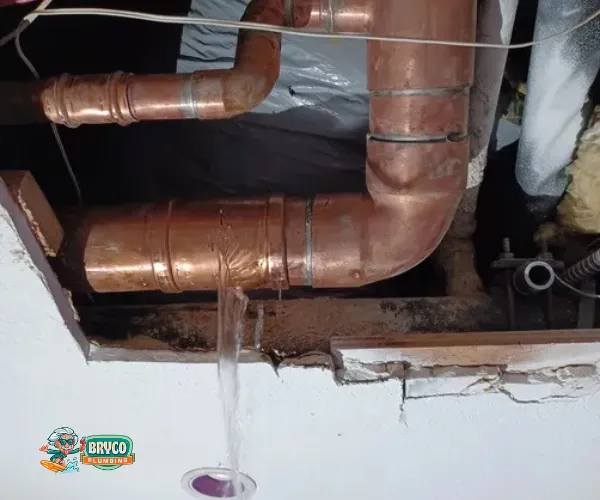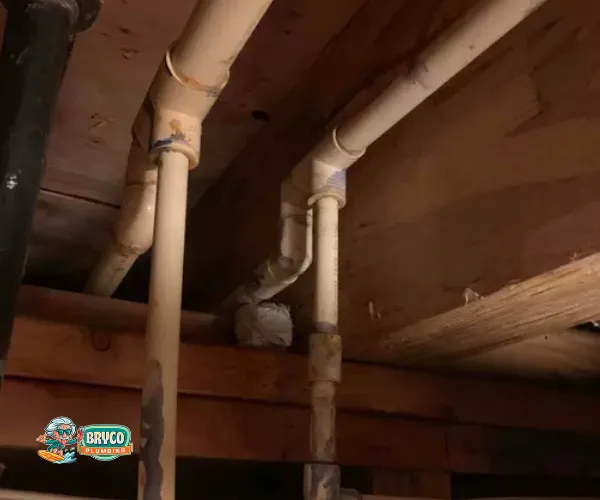
Expansive clay soil causes plumbing failures through a “yo-yo effect” of volume change, where the earth acts like a sponge. When saturated, the clay particles swell and exert thousands of pounds of upward pressure against pipes; during dry spells, the soil shrinks and pulls away, leaving lines unsupported and prone to shearing or “bellies.” This constant cycle of movement exceeds the structural tolerance of most piping materials, leading to catastrophic cracks or joint separations.
The Environmental Stress on Sub-Surface Infrastructure
Geological composition is the primary architect of plumbing longevity. In regions characterized by high clay content, the soil is a moving force that responds aggressively to moisture levels. When we dispatch an Agoura Hills plumber to investigate a recurring sewer backup, the culprit is often the result of the earth itself shifting rather than a simple blockage. This soil type possesses a high “shrink-swell” capacity; when it rains, the clay absorbs water and expands, creating enough heave to snap rigid pipe connections.
Conversely, during the relentless heat of California’s dry season, the expansive clay soil undergoes a process of desiccation, losing the moisture that once provided its structural volume. As the water evaporates, the clay contracts and pulls away from itself, creating significant subterranean voids and fissures beneath the surface. Without the dense bedding of soil to provide upward pressure and support, the sewer line is forced to bear its own weight over these empty pockets, eventually yielding to gravity and sagging, a structural deformity known as a “belly.” We observed the long-term consequences of this geological cycle during a recent audit in the Old Agoura neighborhood; years of seasonal soil movement had forced a four-inch vertical offset in a client’s main line. This misalignment not only disrupted the necessary flow of the system but also created a jagged breach that fundamentally compromised the pipe’s integrity, leaving it vulnerable to root intrusion and total collapse.
The Mechanics of Soil-Induced Pipe Failure
Understanding these mechanics is the first step toward a permanent fix. When the ground pulls away during dry cycles, it can pull pipes apart at the couplings, leading to “separated joints.” During the expansion phase, the lateral pressure can be so intense that it collapses older, brittle materials like cast iron. An experienced plumber in Agoura Hills identifies these not as random breaks but as predictable structural failures caused by soil tension exceeding the pipe’s flexural strength.
The Bryco Plumbing Advanced Diagnostic & Restoration (ADR) Framework
While standard “rooter” services are often the first line of defense against a backup, they typically function as a temporary band-aid that masks a deeper structural crisis rather than curing it. By merely mechanical-snaking a line, these services clear the immediate blockage but leave behind the fractured pipes, offsets, or root-invaded joints that caused the issue in the first place, ensuring an inevitable and often more expensive recurrence. To move beyond this cycle of “clear and repeat,” we utilize our proprietary Advanced Diagnostic & Restoration (ADR) framework. This comprehensive three-phase lifecycle was specifically engineered to eliminate the invasive guesswork and “blind digging” that frequently results in unnecessary, destructive yard excavation. By integrating high-definition subterranean imaging with precision restoration technologies, the ADR framework allows us to pinpoint the exact point of failure and rehabilitate the line from the inside out, preserving your landscaping while providing a permanent, structurally sound solution that outlasts traditional patchwork.
- Phase 1: In-Home Forensic Diagnosis– We use high-resolution video, fiber optics, and electronic leak detection to map the exact GPS coordinates of a break. Our plumbers in Agoura Hills, CA don’t just find the clog; we pinpoint the geological cause to ensure we only target the damaged section.
- Phase 2: Precision Restoration– We prioritize trenchless technology, such as pipe bursting or epoxy lining. In clay-heavy environments, this is critical because traditional trenching disturbs the soil’s natural compaction, which can lead to even more shifting in the future.
- Phase 3: Performance Verification– We conclude with pressure testing and a secondary camera inspection. This ensures the restoration is “first-time-right,” meeting our 30-year standard for durability and code compliance.
Common Myth: “Modern PVC Pipes are Immune to Soil Movement”
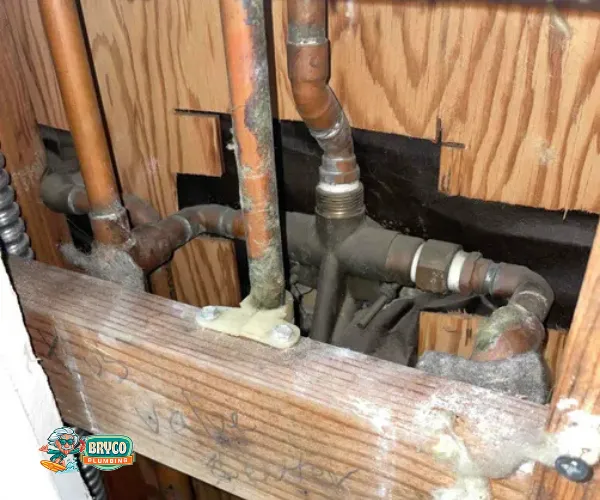
A common misconception is that plastic piping (PVC or ABS) is flexible enough to withstand any ground movement. While plastic is more resilient than the clay or cast-iron pipes of the past, it is not invincible. When an Agoura Hills, CA plumber inspects a newer home, they often find that while the pipe didn’t “snap,” the aggressive expansion of the soil caused the joints to “buckle” or pushed the line out of its seat.
Secure Your Property’s Infrastructure Today
With over 30 years of experience, we have seen how local topography, from steep hillsides to flat valley floors, impacts residential infrastructure. Bryco Plumbing is a professional and trustworthy service provider, emphasizing the reliability and expertise needed to tackle these subterranean challenges. Our goal is to instill confidence by identifying a shifting pipe before it completely collapses, saving you from expensive foundation repairs.
Contact Bryco Plumbing today to schedule your forensic diagnosis and ensure your system is protected.
People Also Ask (FAQ)
How do I know if my pipes are shifting due to soil? Signs include recurring backups in your lowest drains, unexplained cracks in your driveway, or patches of grass that are greener than the rest of the yard.
Is trenchless pipe repair better for clay soil? Yes. Trenchless repair avoids the massive soil displacement caused by traditional digging, maintaining the existing compaction, which helps stabilize the new line.
Can I prevent soil from moving around my pipes? You can minimize the “shrink-swell” cycle by maintaining a consistent moisture level around your foundation and ensuring your gutters discharge water away from the home.