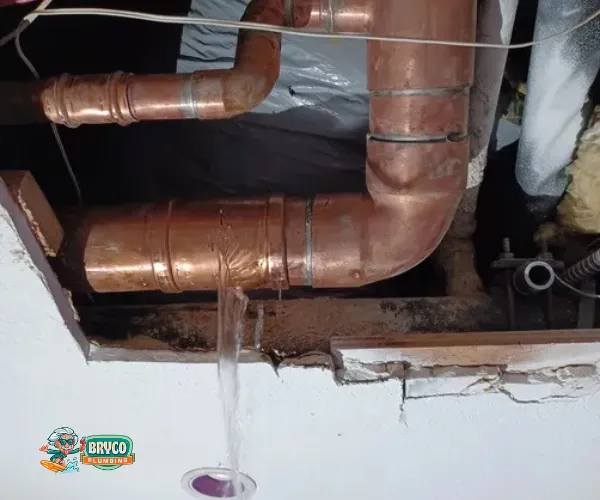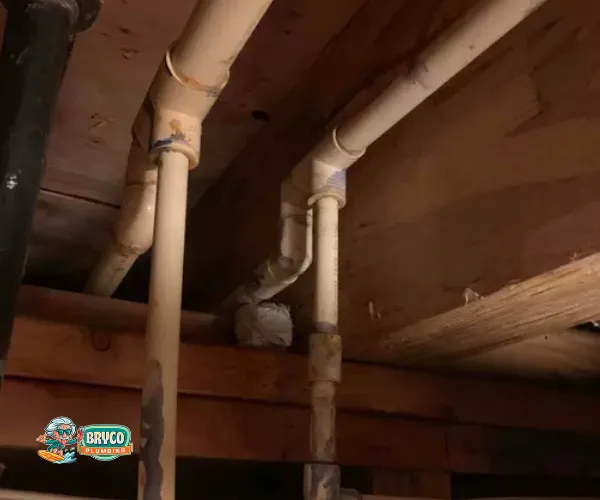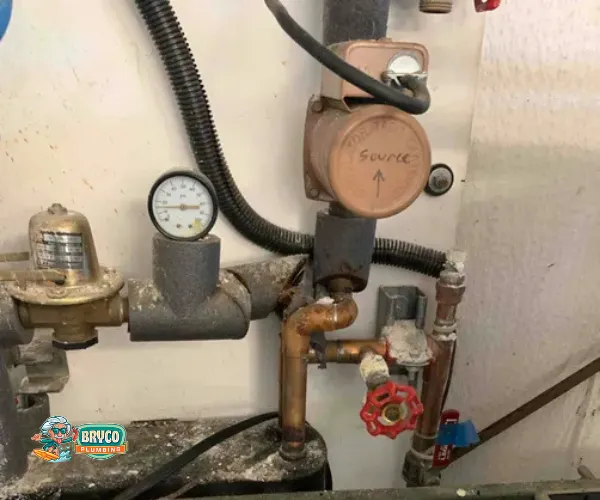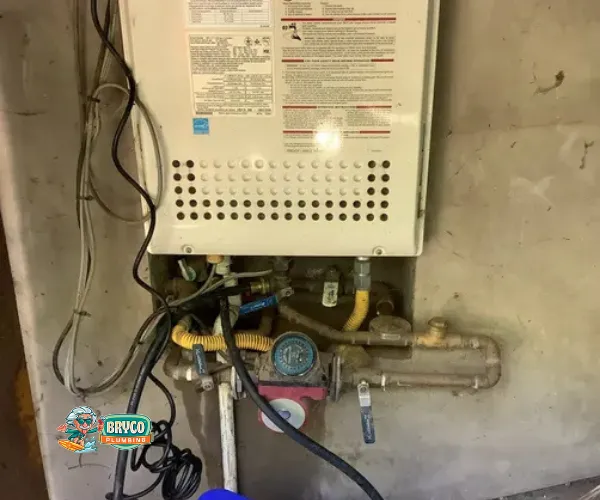
To determine the cause of low water pressure, first check if the drop is sudden and universal or gradual and isolated. A sudden drop across all fixtures typically indicates a failed pressure-reducing valve (PRV), whereas a gradual decline, especially in older homes, suggests internal pipe corrosion and scaling within galvanized steel. Identifying whether the issue is mechanical or structural is the first step toward restoring high-performance flow.
Low water pressure is a symptom of an underlying systemic issue. When you turn on a faucet and find only a weak stream, or if the shower loses power the moment the dishwasher starts, your plumbing in Pasadena, CA, is sending a signal. For property owners, understanding these signals is the key to preventing “emergency” scenarios and ensuring the long-term health of their infrastructure.
The Diagnostic Divide: Mechanical Failure vs. Structural Decay
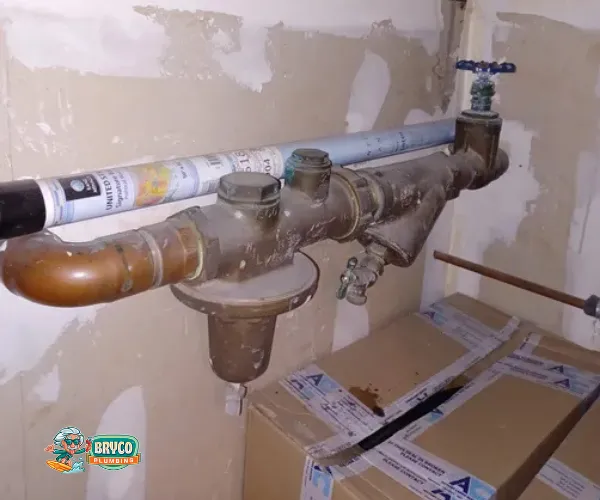
When assessing low water pressure, we categorize causes into two primary buckets: Mechanical (The Pressure Regulator) and Structural (The Piping). A pressure-reducing valve (PRV) is a brass fitting usually located near the main water shut-off. Its job is to “regulate” municipal street pressure down to a safe level for your home, typically between 40 and 60 PSI. If this mechanical component fails, it can stick in a restricted position, choking off the water supply to the entire house.
On the other hand, structural decay involves galvanized steel pipes common in older construction. These pipes eventually rust from the inside out, creating “tuberculation,” or mineral scale that narrows the internal diameter of the pipe. This process is like a clogged artery; as the internal space shrinks, the volume of water reaching your fixtures diminishes, regardless of how high the street pressure may be.
3 Steps to Identify the Culprit
During a recent audit for a historic estate near Bungalow Heaven, our team found that the homeowner was convinced they needed a whole-house repipe when, in fact, a simple mechanical adjustment was all that was required. To avoid unnecessary expenses, follow this three-step diagnostic process to isolate the failure point.
1. The Multi-Fixture Stress Test
Turn on one faucet and observe the flow, then turn on a second and third fixture simultaneously. If the pressure was initially strong but plummeted the moment the second faucet was opened, you likely have a volume restriction caused by corroded pipes. The narrowed internal diameter cannot provide enough water to satisfy multiple outlets at once.
2. The External Gauge Reading
You can purchase a simple water pressure gauge at a local hardware store and screw it onto an outdoor hose bib. If the gauge reads consistently below 40 PSI, your pressure regulator is either failing or needs adjustment. If the reading is extremely high (above 80 PSI), your regulator has failed in the “open” position, which risks damaging your appliances.
3. The Aerator and Color Check
Unscrew the aerator from your sink faucet and inspect the screen for debris. Do you see small, orange, or brown flakes? These are shards of rust, a definitive sign of internal pipe corrosion. If the water also appears slightly discolored after sitting overnight, your galvanized pipes are reaching the end of their functional lifecycle.
Applying the Bryco Advanced Diagnostic & Restoration Framework
At Bryco Plumbing, we eliminate guesswork through our proprietary Advanced Diagnostic & Restoration framework. This three-phase lifecycle ensures that every solution is “first-time-right,” preserving property value through technical precision.
- Phase 1: In-Home Forensic Diagnosis: We treat every plumbing issue like a forensic investigation. Our technicians utilize high-resolution video fiber optics and electronic leak detection to see exactly what lies beneath the surface before recommending a fix.
- Phase 2: Precision Restoration: Once the diagnosis is confirmed, we apply targeted solutions. This may involve replacing a failed regulator or utilizing hydro-jetting and trenchless sewer technology to restore flow without the need for invasive digging.
- Phase 3: Performance Verification: We perform a final round of pressure testing and flow-rate verification to ensure your system meets modern code compliance. This final check guarantees that the restoration is complete and that your home’s plumbing is operating at peak efficiency.
Debunking the “Chemical Drain Cleaner” Myth for Low-Pressure
A common industry myth suggests that pouring heavy-duty chemical cleaners down the drain can “dissolve” the mineral scale and rust inside your pipes to restore pressure. This is false and dangerous. Professional plumbing in Pasadena requires mechanical removal or pipe replacement; chemicals only eat through oxidized metal, leading to pinhole leaks and a much more expensive repair bill.
Navigating Local Infrastructure Challenges
The infrastructure age plays a significant role in plumbing health. For example, while working with several properties in the Old Pasadena neighborhood, we’ve noted that century-old clay laterals often pair with aging galvanized interiors to create a “double threat” for homeowners. Furthermore, local soil composition can cause shifts that put immense stress on main lines, leading to regulator failure or pipe fractures.
Whether you are looking for plumbers to handle a minor fixture update or need a full system audit, choosing a partner who understands these regional environmental factors is essential. Our team’s deep familiarity with plumbing ensures we address the root causes unique to our area’s architecture.
People Also Ask (FAQ)
Can I adjust my own water pressure regulator? While regulators have an adjustment bolt, doing so without a pressure gauge is risky. Setting the pressure above 80 PSI can blow out flex lines to your toilets or damage your water heater.
How long do galvanized pipes usually last? Typically, galvanized steel pipes have a lifespan of 40 to 60 years. If your home was built before 1970 and has original plumbing, it is likely that internal corrosion is currently restricting your water flow.
Is low water pressure a sign of a leak? It can be. If you have a sudden pressure drop accompanied by a spinning water meter (when no water is being used), you may have a slab leak. Our In-Home Forensic Diagnosis is specifically designed to catch these hidden leaks before they cause structural damage.
Why are plumbers in Pasadena recommending trenchless repair? Trenchless technology allows us to repair or replace lines without digging up historic landscaping or driveways, making it the preferred method for maintaining the aesthetic value of local properties.
Secure Your Peace of Mind with Bryco Plumbing
Don’t let plumbing frustrations disrupt your home’s comfort. With three decades of expertise and a commitment to accuracy, Bryco Plumbing is your dependable partner for plumbing in Pasadena. Whether you need a forensic diagnosis of your water pressure or a precision restoration of your main lines, our team offers the effective solutions you deserve.
Contact us today or visit our online booking portal to schedule your consultation. We are ready to restore the functionality of your plumbing system with the prompt, professional service that has defined our brand for over 30 years.