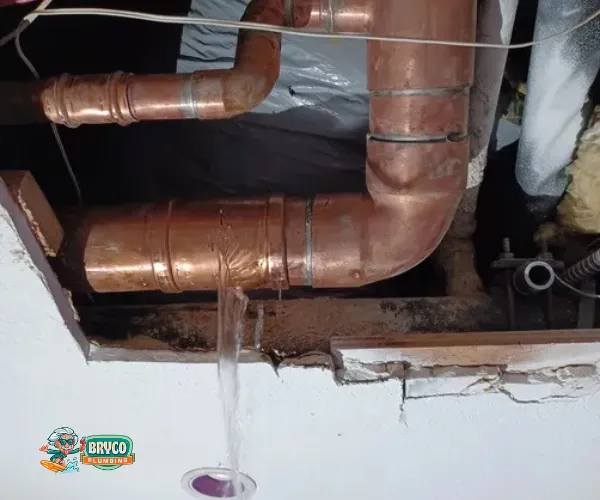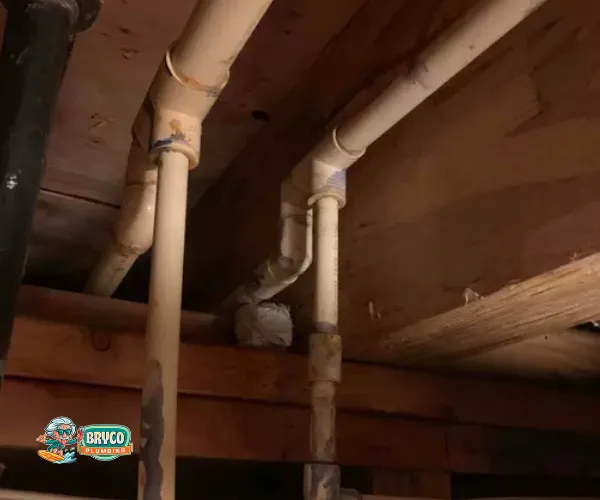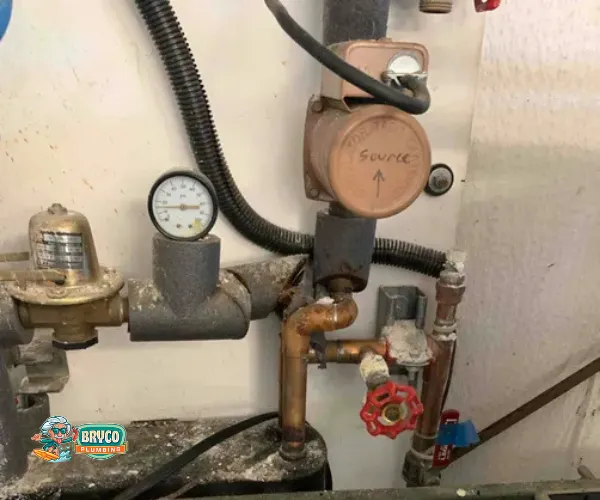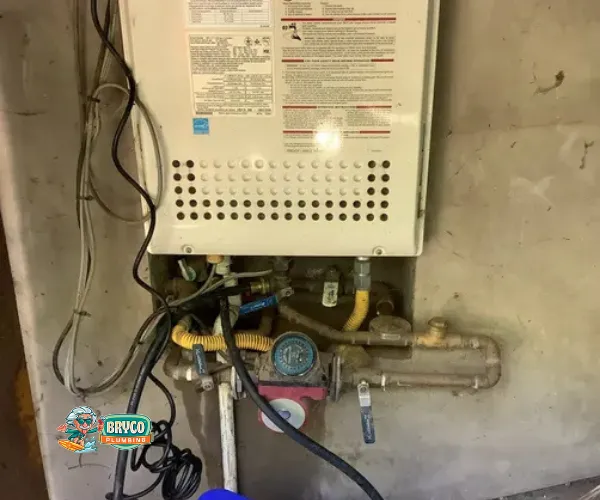
PEX piping is generally superior for slab leak prevention because its flexibility allows for seamless “overhead” routing that bypasses the concrete foundation entirely. While L-grade copper is highly durable and heat-resistant, it remains vulnerable to “pitting” corrosion from high-mineral water and oxidative stress when buried in a concrete slab.
A slab leak is far more than a routine plumbing nuisance; it is a high-stakes structural crisis that poses a significant threat to the long-term viability of a property. When pressurized water lines, often buried deep within the soil or encased in the concrete foundation, suffer a breach, the consequences of delayed detection are severe. Constant, undetected moisture migration can lead to soil erosion, foundation shifting, and the catastrophic failure of interior flooring systems.
In the wake of such a failure, the path to restoration hinges on a critical engineering decision: selecting the right repiping material. This choice is the primary line of defense against future subsurface issues, determining whether a home will remain vulnerable to the same corrosive forces or be fortified with modern, resilient piping solutions that ensure decades of structural security.
Technical Comparison: PEX vs. Copper Performance
Selecting between Cross-linked Polyethylene (PEX) and traditional copper requires an understanding of how these materials interact with the local environment.
| Feature | PEX (Type A or B) | L-Grade Copper |
| Corrosion Resistance | Immune to scale and electrolysis | Susceptible to “pitting” in hard water |
| Flexibility | High (fewer joints required) | Rigid (requires soldered elbows) |
| Slab Leak Risk | Near Zero (when routed overhead) | Moderate (joints can fail under stress) |
| Lifespan | 40–50+ Years | 50+ Years (if water chemistry is ideal) |
In many residential pockets of Burbank, homeowners are increasingly encountering original plumbing systems that have surpassed their functional life expectancy. These aging infrastructures, often dating back several decades, are now reaching a point of “functional expiration” where the risk of failure shifts from a possibility to a mathematical certainty.
When addressing these vulnerabilities, we move beyond simple repairs to a deep analysis of local environmental factors. A primary concern is the regional water chemistry, which is frequently noted for its high mineral content and alkalinity. This “hard water” profile can lead to internal scaling or accelerated pitting in traditional metallic pipes. By evaluating these chemical interactions, we determine which specific materials, whether high-grade PEX or Type L copper, will provide the most robust, long-term protection against the devastating impact of foundation-level leaks and subsurface structural damage.
Why Traditional “Spot Repairs” Often Lead to Future Slab Leaks
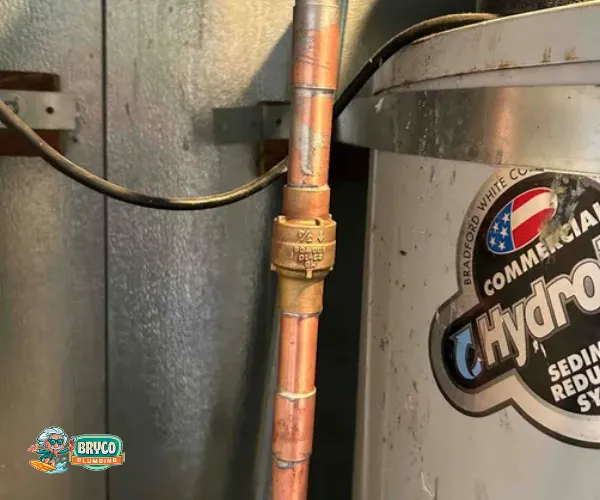
Opting for a localized “spot repair” when a leak is detected under the foundation often creates a “weak link” in a compromised system. Introducing a new section of pipe or a mechanical coupling into an aging line can trigger electrochemical reactions, while the increased pressure frequently causes the next weakest point in the line to fail shortly after.
During a recent inspection near the Media District, a client performed three spot repairs in two years before realizing the cumulative cost exceeded a permanent repipe. This reactive cycle is a common pitfall in Burbank plumbing maintenance that can be avoided with a systemic upgrade.
The “Natural Gas” Myth: Copper is Always Safer
A lingering misconception suggests that copper is inherently “safer” because it is a metal, yet modern PEX-a standards are specifically engineered for chemical stability. Unlike copper, PEX does not leach metallic ions and is naturally resilient to the pinhole leaks caused by the high pH levels often found in treated municipal water.
For homeowners vetting plumbers in Burbank, CA, it is worth noting that PEX’s ability to expand and contract makes it far more resilient to the minor seismic shifts common in our region. This flexibility ensures the system remains watertight even when the ground beneath the home moves.
Applying our Advanced Diagnostic & Restoration to Solve This
At Bryco Plumbing, we eliminate invasive guesswork by implementing our proprietary Advanced Diagnostic & Restoration framework. This three-phase lifecycle is designed to resolve sub-surface blockages and structural corrosion with “first-time-right” accuracy.
- In-Home Forensic Diagnosis
Before disturbing any flooring, we conduct a forensic audit using high-resolution video fiber-optics and electronic leak detection. This allows us to map the exact path of underground lines and confirm if a leak is an isolated incident or part of a wider pattern of systemic decay.
- Precision Restoration
Once the diagnosis is complete, we execute Precision Restoration using trenchless technology or overhead PEX routing. This bypasses the need to jackhammer a concrete slab, preserving the home’s foundation and minimizing downtime. This efficient approach is a hallmark of a professional plumber in Burbank residents can trust for complex repipes.
- Performance Verification
Every project concludes with Performance Verification, including rigorous pressure testing to ensure the system exceeds standard operating requirements. We provide transparent, upfront pricing and detailed documentation to ensure the work preserves long-term property value and maintains full code compliance.
Why Local Expertise Matters for Long-Term Property Value
Hiring plumberswho are familiar with local infrastructure is vital for long-term success. The vintage homes near Magnolia Park often sit on original copper lines that are thinning over time; upgrading to a modern PEX system via an overhead reroute effectively “future-proofs” the home against the most expensive type of plumbing failure.
People Also Ask (FAQ)
Q: Is PEX or Copper better for resale value?
A: Both are high-quality upgrades, but a certified PEX repipe is often more attractive to buyers because it carries a near-zero risk of future slab leaks compared to copper buried in concrete.
Q: How long does a slab repipe take?
A: Using our Advanced Diagnostic & Restoration framework, most residential repipes are completed in 3 to 5 days, depending on the property size.
Q: Will PEX affect my water pressure?
A: No. When sized correctly, PEX provides consistent, high-volume flow. Many homeowners notice an increase in pressure because the old, corroded lines were restricted by internal mineral buildup.
Restore Your Peace of Mind with Bryco Plumbing
A slab leak doesn’t have to be a source of constant stress. With over 30 years of experience, Bryco Plumbing provides reliable, expert solutions that protect your property from the inside out. Our commitment to modern diagnostic technology ensures we identify the root cause fast and resolve it with precision.
Call Bryco Plumbing Book Online Today to schedule your Advanced Diagnostic & Restoration audit.