Commercial plumbing systems require robust infrastructure and regular maintenance to handle high water volumes and ensure long-term business efficiency. To achieve maximum efficiency, business owners must prioritize proactive leak detection, appropriately sized piping for high-capacity appliances, and specialized filtration systems that prevent mineral scale buildup. Addressing these mechanical needs early prevents the costly operational downtime associated with sudden pipe failures or sewer backups.
Today, we’ll explore everything business owners need to know about maintaining these complex systems.
Understanding Commercial Plumbing
Commercial plumbing systems serve larger, more complex needs compared to residential setups. These systems are designed to handle higher volumes of water and more frequent usage, making them crucial for restaurants, office buildings, and retail spaces.
During a recent project for a local commercial kitchen, we found that their constant drain backups weren’t caused by simple clogs, but by a system that wasn’t sized for their new high-capacity industrial dishwasher. By consulting with a Los Angeles plumber, the business was able to upgrade their pipe diameter and adjust the flow rate, saving them from weekly emergency call-outs and potential health code violations.
Key Differences Between Commercial and Residential Plumbing
- Capacity: Commercial plumbing must accommodate heavy usage, often requiring larger pipes and fixtures.
- Complexity: These systems often feature multiple floors, extensive networks of pipes, and advanced equipment like grease traps.
- Maintenance Needs: Frequent use leads to accelerated wear and tear, requiring specialized inspections.
Common Challenges in Commercial Plumbing
- Common Challenges in Commercial Plumbing
- Increased Water Usage: High volume puts a significant strain on joints and seals. Over time, this causes pipes to deteriorate, leading to hidden leaks or reduced pressure.
- Clogs and Sewer Problems: Frequent use of restrooms or utility spaces leads to debris buildup. Restaurants face the added challenge of grease solidification in sewer lines.
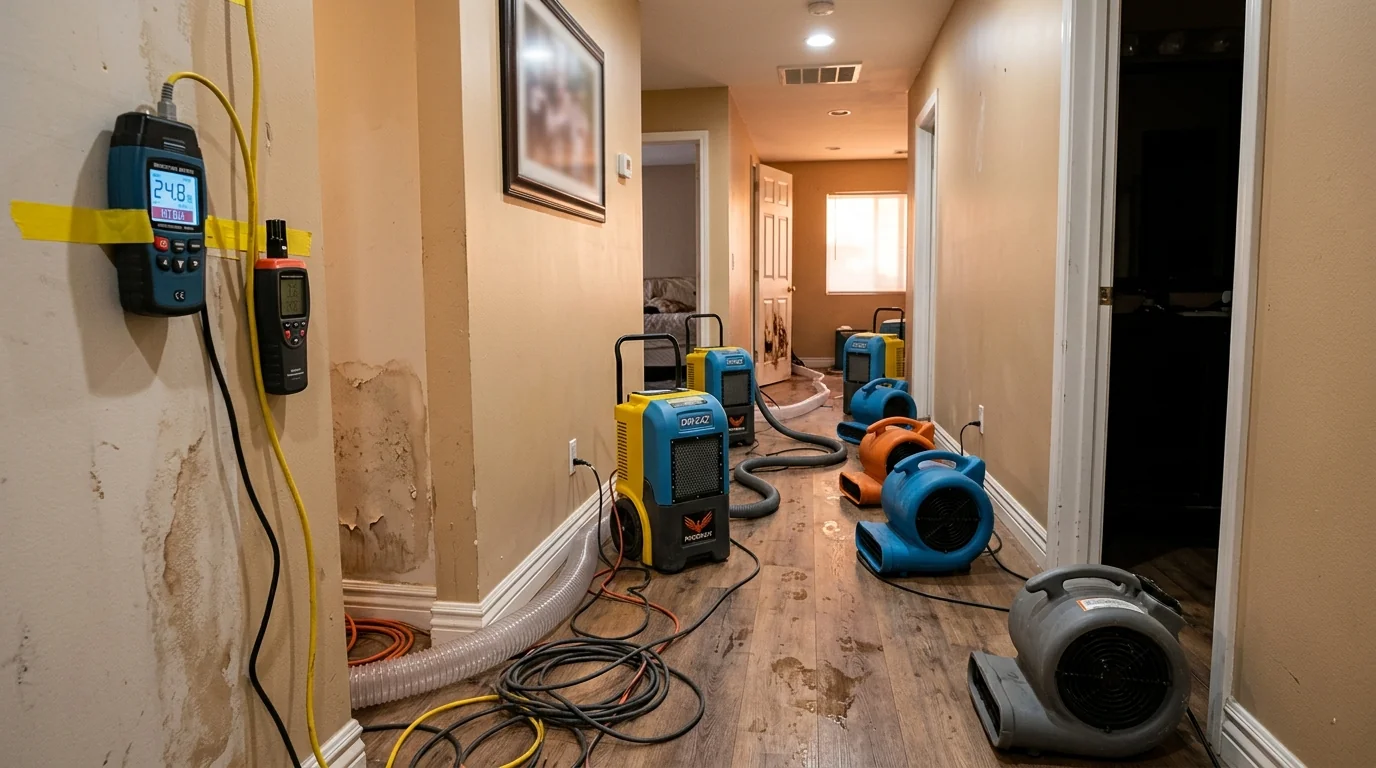
- Leaks and Water Damage: Leaks in commercial walls can go unnoticed for weeks. When managing plumbing in Los Angeles, CA, it is vital to check for signs of moisture early to prevent structural damage and mold growth that threatens the workspace.
- Compliance with Codes: Businesses must adhere to strict codes. Non-compliance can result in heavy fines or forced operational shutdowns.
Signs of Plumbing Issues in a Commercial Setting
Spotting plumbing issues early can save time and money. Business owners should watch for these warning signs:
Noisy Pipes: Banging or whistling sounds often point to “water hammer” issues or air trapped in the high-pressure lines.
Low Water Pressure: Often indicates deep blockages or a failing water supply regulator.
Unpleasant Odors: Foul smells usually signal a breach in the sewer line or dried-out P-traps.
Visible Water Stains: Discoloration on ceiling tiles or walls is a primary indicator of a hidden pipe leak.

Implementing Commercial Water Filtration Systems
Integrating a high-quality water filtration system is a key step in protecting your infrastructure. Because of the specific mineral content found in plumbing in Los Angeles, selecting the right system depends on your industry’s specific requirements:
- Activated Carbon Filters: These remove chlorine and sediment, which is essential for improving water taste in breakrooms.
- Reverse Osmosis (RO) Systems: For businesses requiring high-purity water, such as medical facilities, RO systems provide advanced filtration.
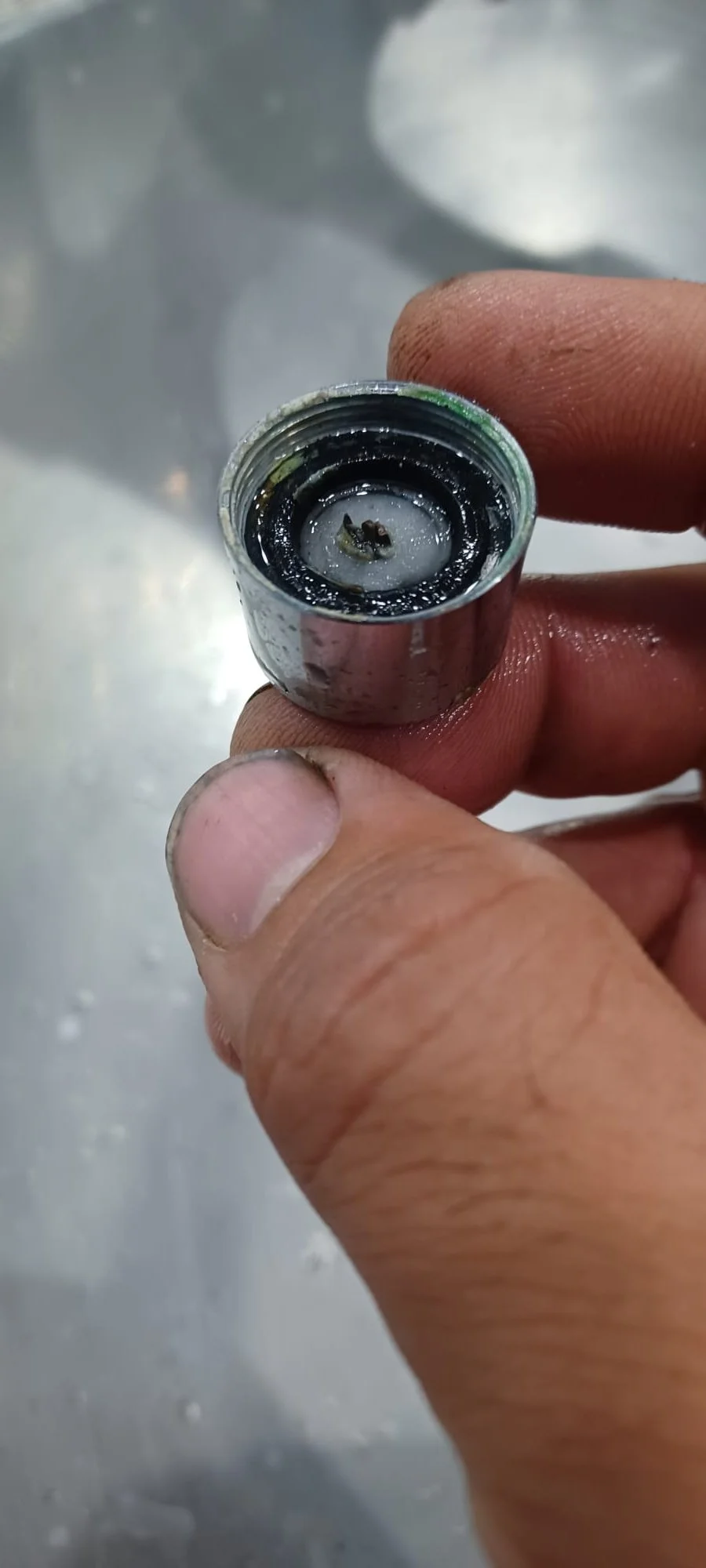
- Water Softeners: In hard water areas, calcium and magnesium cause scale buildup inside pipes. A softener extends the lifespan of your plumbing and boilers.
- Ultraviolet (UV) Purification: UV systems neutralize bacteria and viruses, providing a necessary layer of safety for high-sanitation environments.
Achieving Long-Term Plumbing Efficiency
A proactive approach reduces overall costs and extends system life. Regular inspections by a licensed professional allow you to catch small issues before they become disasters.
Upgrading Fixtures and Systems
- Water-saving fixtures: Low-flow faucets and toilets can reduce monthly utility bills by up to 30% without sacrificing performance.
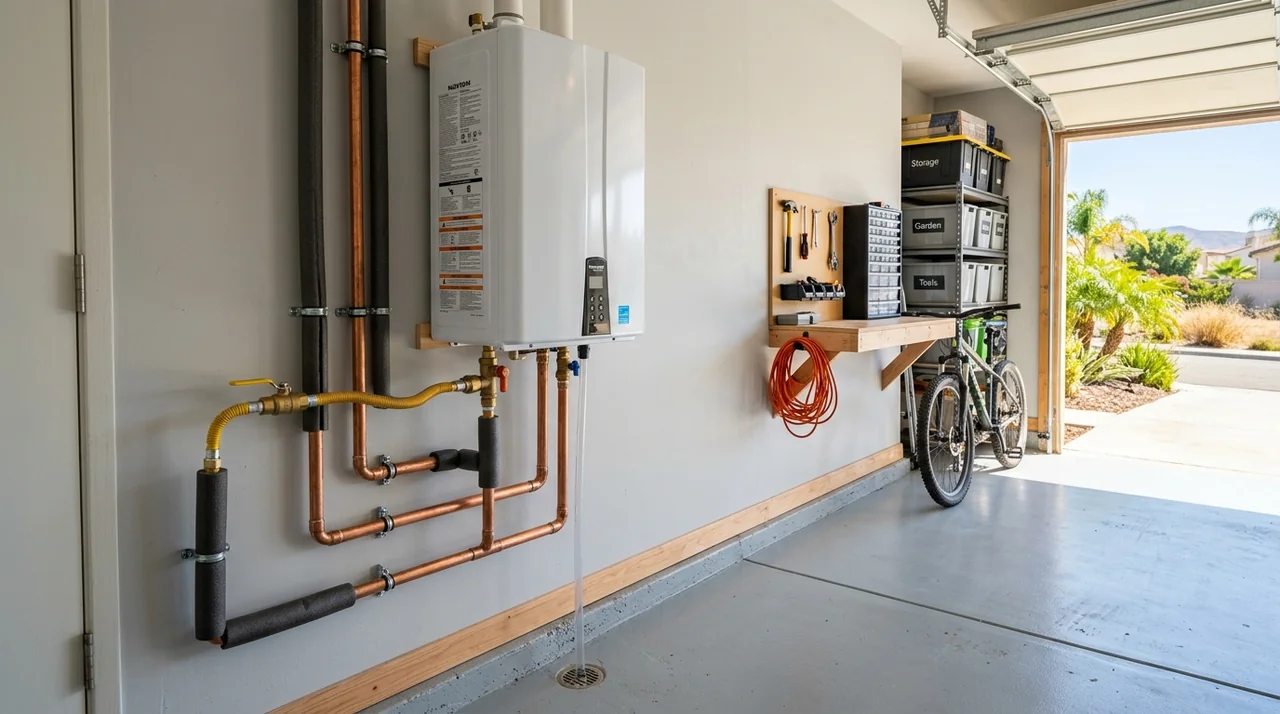
- Tankless water heaters: These offer reliable hot water on demand, which is much more efficient than keeping a massive industrial tank heated 24/7.
Benefits of Hiring a Professional for Commercial Plumbing
Commercial systems require specialized knowledge that goes beyond basic repairs. A skilled consultant in Bryco Plumbing can identify root causes accurately, ensuring that repairs are not just “band-aids.” Professionals use quality materials and adhere to local codes, ensuring your business remains compliant and safe. Having a trusted service provider on call also ensures minimal downtime during a plumbing emergency.
Ready for a free quote? Contact us today!
Frequently Asked Questions
What is the most common commercial plumbing problem? The most frequent issues in commercial settings are clogged drains and toilets caused by high-volume public usage. In the food service industry, grease buildup is the leading cause of major sewer line failures.
How often should a commercial building have a plumbing inspection? Most businesses should schedule a professional plumbing inspection at least once a year. Facilities with high water demands, like laundry services or large restaurants, often benefit from quarterly maintenance.
Can commercial water filtration reduce plumbing repair costs? Yes. Filtration systems remove the minerals and contaminants that cause internal pipe corrosion and scale buildup. This protects your water-using appliances and significantly reduces the frequency of pipe repairs.
Learn More:
How to Choose the Best 24 Hour Plumbing Service for Your Home or Business